Summary: This blog delves into the fascinating world of Bitcoin, explaining its origins, how it works, and the crucial process of Bitcoin mining. It also covers the important topic of Bitcoin taxation, offering practical insights for beginners on how to navigate the tax implications of owning and using Bitcoin.
Introduction
Imagine a world where money isn’t controlled by banks, governments, or middlemen. Instead, it’s entirely digital, created by the people, and managed by a global network of computers. Welcome to the world of Bitcoin! Whether you’ve heard about it from friends, seen it on the news, or stumbled across it on social media, Bitcoin is more than just a buzzword, it’s a financial revolution. But like any revolution, it comes with its own set of complexities, especially when it comes to taxes. If you’re curious about Bitcoin and want to understand how it works and what it means for your wallet and taxes, you’re in the right place. Let’s dive into the fascinating world of Bitcoin, break it down into simple, easy-to-understand terms, and tackle the tax questions you might have.
Key Takeaways
- Bitcoin is a decentralized digital currency created through mining.
- Mining involves solving complex puzzles to secure the Bitcoin network.
- Bitcoin network generates a new block roughly every 10 minutes.
- Bitcoin is stored, traded, and used via blockchain technology.
- Bitcoin is a type of cryptocurrency, but not the only one.
- Understanding Bitcoin taxes is crucial for compliant crypto ownership.
What is Bitcoin?
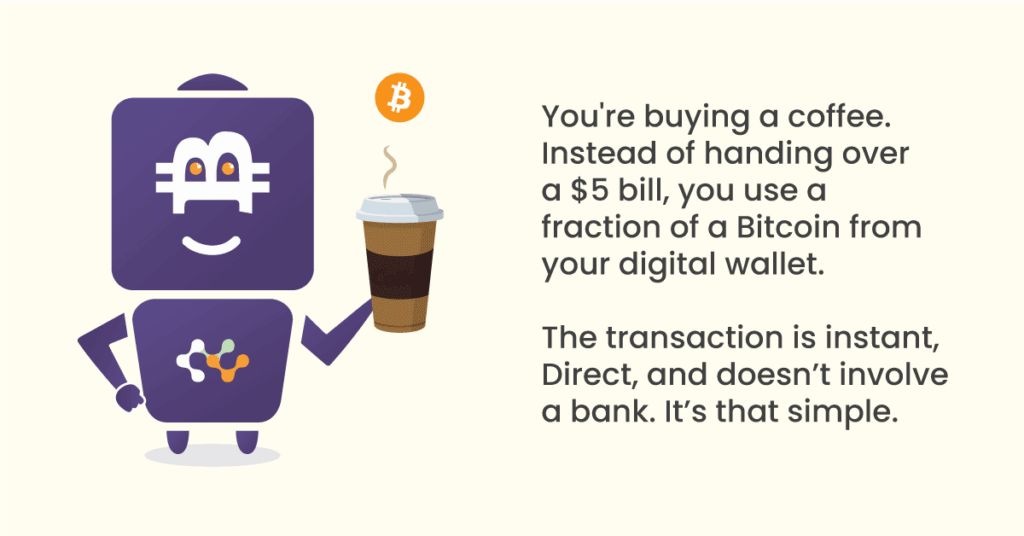
At its core, Bitcoin is a type of digital money, imagine the cash in your wallet, but in a purely electronic form. Unlike traditional currencies like the dollar or euro, Bitcoin isn’t printed by a central authority. Instead, it’s created and managed by software running on thousands of computers around the world. Think of it as a digital gold: valuable, scarce, and secure, but without the need to dig it out of the ground.
Origin and History of Bitcoin
Bitcoin didn’t just appear out of nowhere, it was born from a desire to create a new kind of money. Back in 2008, an individual (or group) under the pseudonym Satoshi Nakamoto published a whitepaper outlining the concept of Bitcoin. This document laid the groundwork for what would become the world’s first cryptocurrency.
In January 2009, Bitcoin’s network went live, and the first Bitcoin transaction was made. Over the years, Bitcoin has seen its ups and downs from being valued at mere cents to reaching highs of tens of thousands of dollars. It’s been called everything from “the future of money” to “a speculative bubble.” Despite the controversies, Bitcoin has solidified its place in the financial world as the pioneer of digital currency.
How are Bitcoins Created?
Bitcoins are not printed like traditional money; they are created through a process known as mining. This isn’t like mining for gold in the physical world. Instead, it involves powerful computers solving complex mathematical problems. These problems are so intricate that they require substantial computational power to solve, and when a problem is solved, a new block is added to the Bitcoin blockchain, and the miner is rewarded with newly created Bitcoins. This process is what keeps the Bitcoin network secure, as each solved problem (or mined block) strengthens the blockchain, making it more resistant to tampering or fraud.
Bitcoin Mining
Bitcoin mining is the process of using computational power to solve complex mathematical puzzles that secure the Bitcoin network and create new bitcoins. It’s a critical component of how Bitcoin works, ensuring both the security of transactions and the controlled issuance of new bitcoins.
Understanding Bitcoin Mining
How Does Bitcoin Mining Work?
Imagine you’re in a competition where everyone is trying to solve a super complex puzzle. The first person to solve it gets a prize, in this case, new Bitcoins. Similarly, Bitcoin mining is a competitive process where individuals, known as miners, use powerful computers to solve complex mathematical puzzles. But there’s a catch: these puzzles are so difficult that solving them requires significant computational power. When a miner successfully solves a complex puzzle, they receive a reward in the form of freshly created bitcoins. This is how new bitcoins are “mined” and introduced into circulation.
But mining is about more than just creating new bitcoins. It’s also the process that validates and secures transactions on the Bitcoin network. Every time someone makes a transaction using Bitcoin, that transaction needs to be verified and added to the blockchain. Miners take on this role, bundling transactions together into blocks and adding them to the blockchain. In doing so, they ensure the integrity and security of the network, preventing issues like double-spending, where the same bitcoin could be spent twice.
The Bitcoin network is designed to produce a new block approximately every 10 minutes. To maintain this pace, the difficulty of the mathematical puzzles adjusts based on the total computational power of the network. As more miners join the network and add more computational power, the puzzles become more difficult, and as miners leave the network, the puzzles become easier. This self-regulating mechanism ensures a steady supply of new bitcoins and maintains the integrity of the system.
Bitcoin mining is fundamental to the operation of the Bitcoin network. Without it, the entire system would grind to a halt, as there would be no way to verify transactions or create new bitcoins. However, it’s also an energy-intensive process, leading to ongoing debates about its environmental impact.
Why is Bitcoin Mining Important?
Bitcoin mining is crucial for several reasons:
- Secures the Network: Mining ensures the security and integrity of the Bitcoin network. By solving complex mathematical problems, miners validate transactions and prevent issues like double-spending, where the same Bitcoin could be spent more than once.
- Creates New Bitcoins: Mining is the only way new Bitcoins are introduced into circulation. Without miners, no new Bitcoins would be created, and the supply would remain static.
- Decentralization: Mining is what keeps Bitcoin decentralized. Since mining is done by individuals or groups all over the world, no single entity controls the network. This decentralized nature is what makes Bitcoin resilient to censorship and manipulation.
- Incentivizes Participation: Miners are rewarded with new Bitcoins for their efforts, which incentivizes people to participate in the network. Without miners, there would be no new Bitcoins, and the network would be vulnerable to attacks. This reward system is what drives the growth and security of Bitcoin.
In essence, Bitcoin mining is the backbone of the Bitcoin network, ensuring its continued operation, security, and decentralization. Without mining, the entire Bitcoin ecosystem would fail to function.
The Environmental Debate
One of the hot topics around Bitcoin mining is its environmental impact. Mining requires a massive amount of electricity, leading to concerns about its carbon footprint. While some argue that Bitcoin’s energy consumption is excessive, others point out that many miners are now turning to renewable energy sources, which could help mitigate this issue.
Bitcoin vs. Cryptocurrency
Is Bitcoin the same as cryptocurrency? Yes and no. Bitcoin is a type of cryptocurrency, but it’s not the only one. Think of cryptocurrency as the broad category, like “fruit,” and Bitcoin as a specific example, like an “apple.” There are thousands of cryptocurrencies out there Ethereum, Ripple, and Litecoin, to name a few but Bitcoin is the first and most well-known.
How are Bitcoin Values Determined?
The value of a Bitcoin is determined by market demand and supply, just like any other commodity. If more people want to buy Bitcoin than sell it, the price goes up. Conversely, if more people want to sell than buy, the price goes down. However, unlike traditional assets, Bitcoin’s value isn’t influenced by earnings reports, dividends, or economic data. It’s a purely market-driven asset, which makes it incredibly volatile.
Imagine it this way: Bitcoin’s price is like a seesaw. When more people buy (demand goes up), the price rises; when more people sell (supply increases), the price drops. This constant tug-of-war is what makes Bitcoin prices fluctuate so dramatically.
How Bitcoin Works?
Bitcoin operates on a technology called blockchain, which is essentially a digital ledger that records all transactions. When you send or receive Bitcoin, the transaction is broadcast to the entire network and added to the blockchain, where it’s verified by miners. Each transaction is secured by cryptography, which ensures that it can’t be altered or forged.
Example: Let’s say you want to send Bitcoin to a friend. You enter their address and the amount you want to send into your wallet. This transaction is then broadcast to the network, where miners verify it and add it to the blockchain. Once confirmed, the transaction is complete, and your friend receives the Bitcoin.
Bitcoin Halving Explained
Bitcoin halving is an event that happens roughly every four years where the reward given to Bitcoin miners for adding a new block to the blockchain is cut in half. This process reduces the rate at which new Bitcoins are created and added to the supply.
To put it simply: Imagine you’re a miner digging for gold, and every time you find some, you get a certain reward. But every four years, your reward gets halved, meaning you now get half the amount of gold for the same work. In the case of Bitcoin, this reward halving happens as a built-in feature of the network to control inflation. The halving reduces the speed at which new Bitcoins are generated, making Bitcoin scarcer over time, which can affect its value. This event is crucial for maintaining Bitcoin’s controlled supply and can have significant effects on the market price.
Bitcoin Halving Timelines
Bitcoin halving events happen approximately every four years, reducing the reward miners receive for adding new blocks to the Bitcoin blockchain by 50%. This built-in mechanism helps control the supply of Bitcoin, making it more scarce over time. Below are the key timelines of past and future Bitcoin halvings:
| Halving | Est. Halving Date | Block | Block Reward |
|---|---|---|---|
| #1 | November 28, 2012 | 210,000 | 25 BTC |
| #2 | July 09, 2016 | 420,000 | 12.5 BTC |
| #3 | May 11, 2020 | 630,000 | 6.25 BTC |
| #4 | April 20, 2024 | 840,000 | 3.125 BTC |
| #5 | Sometime in 2028 | 1,050,000 | 1.5625 BTC |
These halving events play a significant role in Bitcoin’s supply and demand dynamics, often influencing its price due to the reduced rate of new Bitcoin entering circulation. Each halving marks a pivotal point in Bitcoin’s history and its long-term economic model.
Bitcoin vs. Blockchain
| Aspect | Bitcoin | Blockchain |
|---|---|---|
| Definition | Bitcoin is a digital currency. | Blockchain is the technology behind Bitcoin. |
| Example | Using Bitcoin to buy goods online. | Blockchain used in supply chain tracking. |
| Functionality | Acts as money for transactions. | Serves as a distributed ledger. |
| Dependency | Runs on blockchain technology. | Not limited to any single application. |
Things You Should Know Before Buying Bitcoin
Before diving into Bitcoin, there are a few key points to consider:
- Volatility: Bitcoin’s price can swing wildly in a short period, which can be exciting but also risky.
- Security: Ensure you use secure wallets and exchanges. Remember, if you lose your private keys, you lose your Bitcoin.
- Regulation: Bitcoin’s legal status varies by country. Some governments embrace it, while others restrict or ban its use.
- Research: Don’t invest blindly, understand what Bitcoin is, how it works, and the potential risks involved.
How and Where to Buy Bitcoin?
Step-by-Step Guide
- Choose a Bitcoin Wallet: Select a digital wallet to store your Bitcoin. Options include hardware wallets, mobile wallets, and desktop wallets.
- Select an Exchange: Pick a reputable platform to buy Bitcoin. Popular exchanges include Coinbase, Binance, and Kraken.
- Complete Identity Verification: Most exchanges require you to verify your identity for security reasons.
- Deposit Funds: Add funds to your exchange account using a bank transfer, credit card, or other methods.
- Buy Bitcoin: Once your account is funded, place an order to purchase Bitcoin. You can buy whole Bitcoins or even fractions, known as satoshis.
How to Use Bitcoin?
Once you’ve got some Bitcoin, there are several ways you can put it to use:
- Online Purchases: Many online retailers and websites accept Bitcoin as a form of payment, allowing you to buy products or services directly using your Bitcoin.
- Peer-to-Peer Transfers: You can send Bitcoin directly to friends or family, no matter where they are in the world. It’s fast, secure, and often cheaper than traditional bank transfers.
- Investing: You can hold onto your Bitcoin as a long-term investment, hoping its value will increase over time. Many investors view Bitcoin as a store of value, similar to digital gold.
- Bitcoin ATMs: Some Bitcoin ATMs allow you to convert Bitcoin into cash or deposit cash to buy Bitcoin, making it easy to switch between currencies.
- Trading: Bitcoin can be traded on cryptocurrency exchanges. You can buy and sell Bitcoin to profit from price fluctuations, similar to trading stocks or other assets.
- Loaning and Earning Interest: You can loan your Bitcoin to platforms that offer crypto loans and earn interest on it. Many crypto lending platforms provide opportunities for users to lend their Bitcoin in exchange for interest payments, making it a passive income strategy.
8 Biggest Bitcoin Myths
Let’s clear up some common misconceptions:
| Myth | Reality |
|---|---|
| Bitcoin transactions are completely anonymous. | Bitcoin transactions are pseudonymous, not anonymous, and can be traced on the blockchain. |
| Bitcoin is illegal. | While some countries have banned it, Bitcoin is legal in many parts of the world. |
| Bitcoin is a scam. | Bitcoin itself isn’t a scam, though scams involving Bitcoin do exist. |
| Bitcoin has no real value. | Like gold, Bitcoin has value because people agree it does and trade it for goods and services. |
| Bitcoin transactions are slow. | While Bitcoin transactions can take time, improvements like the Lightning Network are speeding them up. |
| Bitcoin is only for tech-savvy people. | With user-friendly apps and platforms, anyone can use Bitcoin today. |
| Bitcoin will replace all fiat currencies. | While Bitcoin offers an alternative, replacing all traditional currencies is unlikely. |
| Bitcoin is immune to inflation. | Bitcoin’s fixed supply prevents traditional inflation, but its value can still fluctuate significantly. |
Understanding Bitcoin Taxes for Beginners
When it comes to taxes, the IRS treats Bitcoin as property, not currency. This means that every time you sell, trade, or use Bitcoin, it could be considered a taxable event. Here’s what you need to know:
- Taxable Events: Selling Bitcoin, trading Bitcoin for another cryptocurrency, or using Bitcoin to purchase goods or services are all considered taxable events. In addition, if you receive Bitcoin through mining or as payment for services, it is treated as Ordinary income.
- Ordinary Income Tax: The value of the Bitcoin at the time you receive it must be reported as income, and income tax must be paid on that amount.
- Capital Gains Tax: When you sell Bitcoin for more than what you originally paid for it, you’ll owe capital gains tax on the profit. The rate depends on how long you’ve held the Bitcoin. If you’ve held it for more than a year, you may qualify for the lower long-term capital gains rate; if less than or a year, short-term capital gains apply, which are taxed at your regular income tax rate.
- Record Keeping: It’s crucial to keep detailed records of every Bitcoin transaction, including purchases, sales, trades, and receipts of Bitcoin (whether through mining or services). Proper record keeping will help you accurately report your Bitcoin transactions and calculate any tax liabilities.
How to Pay Tax on Bitcoin
Paying taxes on Bitcoin might seem complicated, but it doesn’t have to be. Follow these steps:
- Calculate Your Gains: Subtract the purchase price from the selling price to determine your capital gain or loss.
- Report Your Transactions: Use IRS Form 8949 to report each Bitcoin spend transaction.
- Pay Your Tax: Depending on your gain, you may owe short-term or long-term capital gains tax. Pay the tax when you file your annual tax return.
How can CRPTM Help
Navigating Bitcoin taxes can be daunting, but crypto tax software can make it much easier. These tools automatically track your transactions, calculate your gains and losses, and generate the necessary tax forms. For beginners, using a platform like CRPTM can save time, reduce errors, and ensure that you stay compliant with tax regulations.
Conclusion
Bitcoin is a revolutionary digital currency that has captivated the world’s attention. Whether you’re buying, using, or investing in Bitcoin, understanding how it works and how it’s taxed is essential. With the right knowledge and tools, you can navigate the world of Bitcoin with confidence, ensuring that you not only enjoy the benefits of this groundbreaking technology but also stay on the right side of the law when it comes to taxes.
Disclaimer: The information presented on this website is intended for general informational purposes only and should not be interpreted as professional advice from CRPTM. CRPTM does not offer financial advice. We strongly recommend seeking independent legal, financial, tax, or other professional advice to determine how the information provided on this website applies to your specific circumstances. CRPTM assumes no liability for any loss incurred, whether due to negligence or otherwise, resulting from the use of or reliance on the information contained herein.